
South Florida torrential downpours can transform familiar roadways into hazard zones within minutes. Standing water quickly fills low depressions, making it almost impossible to judge the depth of a road crater before your wheels drop into it. When a vehicle strikes a submerged asphalt void, the sudden impact can cause severe pothole damage that car components are simply not built to take without mechanical strain. From compromised wheel rims and sidewall bubbles to bent control arms and blown shock absorbers, the aftermath of hitting a rain-hidden pothole requires prompt attention to ensure your vehicle remains safe and dependable on the road.
Hidden Hazards: Why Post-Rain Potholes Are Especially Dangerous
During intense coastal storms, drainage along roadways can back up rapidly. Puddles collect along curbs, intersection turn lanes, and highway shoulders. A puddle that looks like a harmless sheet of surface water might conceal a jagged, six-inch hole where the sub-base has eroded. When driving on dry pavement, you occasionally have time to spot a hazard and safely steer around it. Braking hard directly inside a pothole transfers weight to the front wheels and magnifies the force of impact, but under heavy rain, drivers frequently strike these hazards with zero warning.
Striking a deep void at road speed transmits thousands of pounds of kinetic energy directly through the tire tread, rim lip, wheel hub, and chassis mounting points. When water lubricates the pavement, the violent jolt can also briefly break tire traction, creating sudden handling instability.
Key Symptoms of Pothole Impact on Your Vehicle
Drivers should stay alert for tactile and audible warning signs immediately following a hard impact. Even if a vehicle feels drivable at low speeds, internal tire cords or suspension links may have suffered structural compromise. Watch for these clear indicators:
- Steering wheel vibration or shimmy: A bent rim, loosened wheel weight, or separated tire belt produces a rhythmic vibration that typically intensifies at higher speeds.
- Vehicle pulling to one side: If the car drifts across the lane on a flat road or the steering wheel sits crooked while traveling straight, suspension arms or tie rods may be bent.
- Unusual knocking or squeaking noises: Clunking or rattling over modest bumps often indicates loosened sway bar end links, worn bushings, or a fractured strut mount.
- Excessive bouncing or nose-diving: If the vehicle continues to bounce several times after hitting a dip or pitches forward sharply under light braking, a shock absorber may have blown its internal seal.
- Sidewall bubbles or bulges: An outward bulge on the tire sidewall indicates that the inner liner and structural cords have torn, creating an imminent blowout hazard.
Protecting Shocks, Struts, and Suspension Components
Your vehicle suspension relies on springs to support chassis weight and shock absorbers or struts to control spring oscillations. When a wheel drops into a deep pothole and crashes into the opposite vertical wall of pavement, the shock absorber compresses at extreme speed. If the force exceeds available suspension travel, the shock bottoms out violently, which can blow past hydraulic seals and cause damping fluid to leak.
Beyond damping units, severe impacts can bend steel control arms, stress ball joints, and twist steering knuckles out of true. Driving with bent chassis parts causes rapid, uneven tire wear and makes emergency maneuvers unpredictable. If your car feels loose or makes metallic clunks following a road strike, having a thorough shocks and suspension service inspection helps identify bent linkages before they damage adjoining parts. Routine chassis checks are just as crucial as keeping up with your regular oil change schedule in South Florida heat to preserve long-term vehicle health.
Wheel and Tire Integrity After Hitting Standing Water
Tires are the primary buffer between your vehicle and road hazards, absorbing the initial shock of every road crater. The NHTSA tire safety overview emphasizes that proper tire inflation is essential for mitigating road hazard damage, as an underinflated tire allows the wheel rim to pinch the tire carcass directly against sharp asphalt.
When a tire is severely pinched, internal belts break, allowing pressurized air to seep between rubber plies and create a visible bubble. Industry educational resources from Tire Rack tire tech note that sidewall damage cannot be safely repaired; a tire with structural cord separation must be replaced. Aluminum alloy wheels can also crack or bend along the inner bead lip, leading to slow air loss or sudden deflation. If you suspect rim damage or spot irregular tire wear, visit a shop for a professional tire inspection and replacement without delay.
Inspecting the Undercarriage and Steering Gear
In deep potholes, damage is not always restricted to the rolling gear. Low-clearance passenger cars can bottom out on the pavement edge, scraping the underbody. This impact can crack protective underbody shields, dent fluid pans, or damage exhaust hangers and pipes. A loose exhaust hanger can cause annoying rattles or stress exhaust joints until leaks develop.
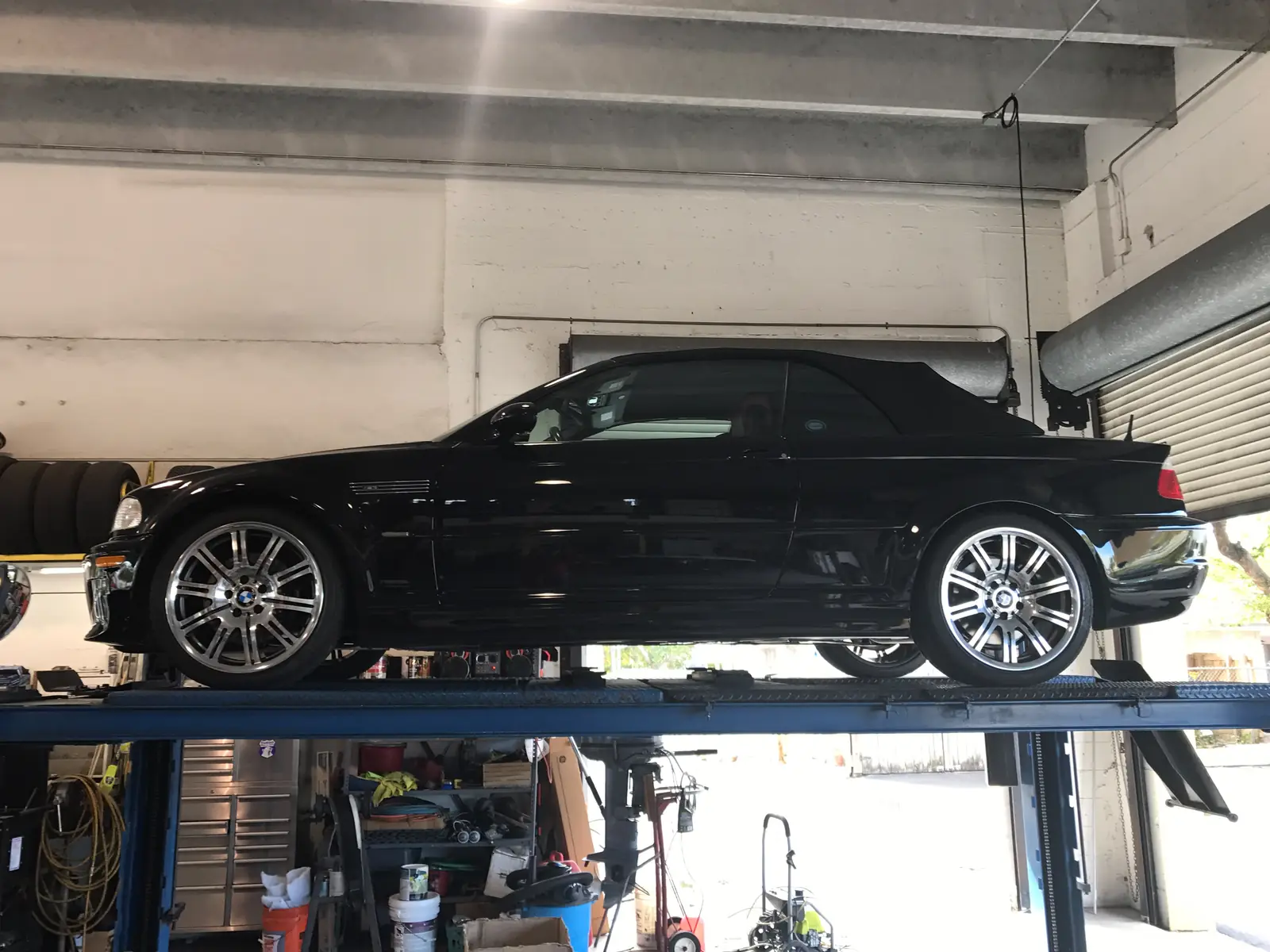
Steering components, including tie-rod ends and steering racks, are also vulnerable to lateral shock loads. Getting a complete vehicle safety inspection puts the car on a lift where technicians can examine brake hoses, verify structural clearances, and confirm steering linkages are straight. Checking these components promptly ensures peace of mind when commuting between communities like Hollywood and surrounding coastal areas.
Professional Auto Repair in Hallandale Beach
If heavy rains and rough roads have left your vehicle pulling, thumping, or vibrating, bring it to Auto Star Co. Located at 1010 S Dixie Hwy in Hallandale Beach, FL, our family-run shop has provided trusted automotive care for 35+ years. Our ASE-certified technicians service all makes and models, including Mercedes-Benz and hybrid vehicles. Stop by our shop during business hours or call (954) 454-6020 to have your suspension, wheels, and undercarriage thoroughly inspected.
