
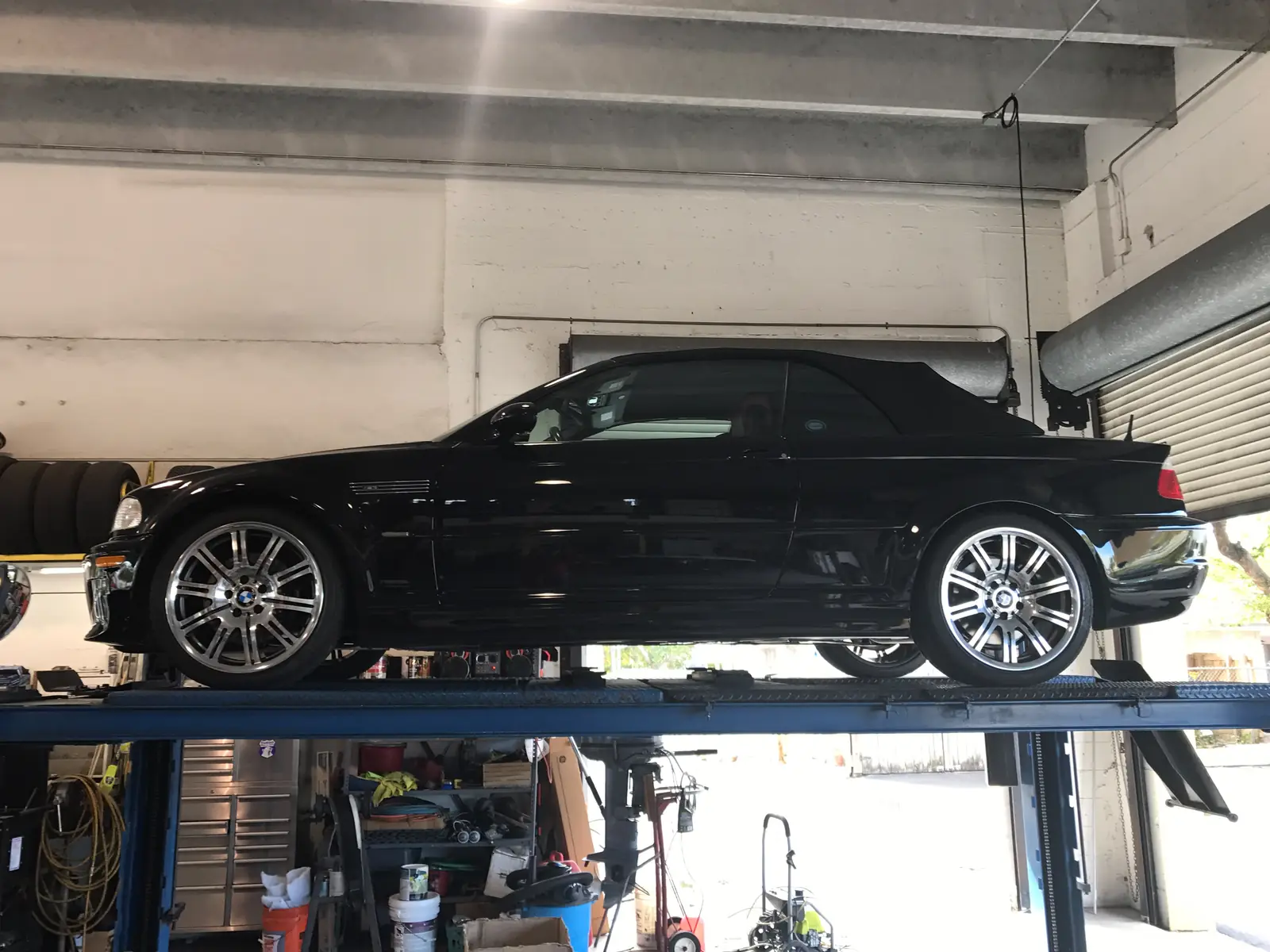
Storing a car in South Florida presents distinct challenges compared to winterizing a vehicle up north. Instead of freezing temperatures and road salt, vehicles parked in our subtropical climate contend with intense heat, persistent humidity, sudden downpours, and corrosive salt air. Whether you travel seasonally, deploy, or keep a secondary car parked during the summer months, preparing your car for storage takes careful attention. Neglecting these environmental conditions can lead to a discharged battery, dried rubber, fouled fuel, and interior mildew. Taking a few proactive steps before parking protects your vehicle and ensures a trouble-free restart when you return.
Change Fluids and Stabilize Fuel
Servicing your fluids is essential before parking for an extended period. Over time, engine oil collects moisture, fuel blow-by, and acidic combustion byproducts. When a vehicle sits idle for months, these contaminants settle inside the crankcase, where they can slowly corrode internal engine components. Getting a fresh oil change right before storage ensures clean lubricants protect vital metal surfaces. Check your owner's manual for the correct oil viscosity and specification for your engine, and see our guide on how heat affects oil change timing if the car will be back on South Florida roads soon.
Fuel also degrades as it sits. A partially empty tank leaves room for warm, humid air to condense on interior tank walls as temperatures rise and fall. That moisture settles to the bottom of the tank, accelerating rust and contaminating fuel. Fill the tank roughly nine-tenths full to reduce internal airspace. For vehicles sitting longer than a month or two, adding a quality fuel stabilizer before topping off helps prevent fuel breakdown and varnish buildup in injectors and lines. If you are also getting ready for storm season, the state's guidance on preparing for hurricane season covers the rest of the household.
Protect the Battery from Parasitic Drain
Modern vehicles rely on numerous onboard computers, alarm systems, and remote receivers that draw power continuously, even with the ignition turned off. This constant parasitic draw can completely drain a healthy battery within several weeks. In South Florida, high heat accelerates the chemical reactions that age a battery, making sitting idle even harsher on its lifespan.
If your vehicle is parked in a garage with power, a smart battery maintainer is the best option. It provides a steady float charge without overcharging the cells. If no electrical outlet is accessible, disconnect the negative terminal to eliminate battery drain while in storage. Note that disconnecting the battery may reset your radio presets, clock, and engine computer memory. If your battery is already showing signs of age, consider professional battery testing and replacement before your trip to ensure reliable performance upon return.
Guard Tires Against Flat Spots and Dry Rot
When a car rests in one place for weeks or months, the continuous weight on a single portion of the tread can cause flat-spotting. Warm temperatures can make tire rubber more pliable, increasing this tendency. At the same time, ambient ozone and coastal air accelerate dry rot in aging rubber.
Before parking, verify that your tires are inflated to the recommended cold pressure listed on the driver door jamb placard or in your owner's manual; NHTSA's page on tire pressure, age and ratings explains how to check them. Never exceed the maximum pressure rating stamped on the tire sidewall. Whenever possible, park on a clean, solid surface rather than grass or dirt, which transfers ground moisture into the undercarriage and wheel assemblies. Having your tires inspected for tread wear and age cracks prior to storage helps avoid discovering a flat or damaged tire when you need the car again.
Combat Cabin Humidity, Mold, and Pests
South Florida's persistent humidity makes vehicle interiors vulnerable to mold and mildew. Before parking, vacuum the cabin thoroughly to remove food particles that attract ants or rodents. Rodents seeking shelter can cause severe damage by gnawing on vehicle wiring harnesses.
Wipe down surfaces and confirm that carpets and floor mats are completely dry. Place moisture-absorbing desiccant containers or charcoal bags in the footwells and trunk to capture excess ambient moisture. If the car is stored outdoors, keep windows tightly closed against sudden rainstorms. A breathable car cover designed for humid climates can shield exterior finishes from sunlight and tree sap without trapping moisture underneath. Avoid non-breathable plastic tarps, which trap condensation and bake against clear coat finishes.
Safe Steps for Re-Starting Your Vehicle
When you are ready to bring the vehicle back into service, follow a simple checklist before driving:
- Inspect underneath the car for fluid puddles or signs of leaks.
- Look inside the engine bay for rodent nesting material or damaged wiring.
- Check engine oil, coolant, and brake fluid levels to verify they meet proper operating marks.
- Inspect tire condition and use a gauge to restore recommended tire pressures.
- Reconnect the battery terminal securely if it was disconnected.
Turn the ignition on for a few seconds to let the fuel system prime before cranking the engine. Once running, let the engine idle smoothly for a minute while checking the dashboard for warning lights. Test the brakes gently at low speeds. A light layer of surface rust on brake rotors is common after sitting in humid air; gentle braking usually clears it, but if you feel vibration, grinding, or a spongy pedal, have the brakes inspected immediately.
Expert Auto Care in Hallandale Beach
Whether you need your vehicle inspected before leaving town or serviced after sitting in storage, Auto Star Co. can help. Our family-run shop in Hallandale Beach has served the community for over 35 years with ASE-certified technicians handling all makes and models, including Mercedes-Benz. Call us at (954) 454-6020 or stop by, and we will help keep your vehicle running reliably.
